Blog

  • Rated Smart Medical Gadgets for Healthy Living

    In the ever-evolving world of technology, it’s no surprise that the healthcare industry has been swept up in the tide. From fitness trackers to blood pressure monitors, smart medical gadgets have revolutionized the way we manage our health at home. But how do these gadgets work? And are they really as effective as they claim to be?

    Smart Medical Gadgets for Home

    The Evolution of Home Healthcare

    Home healthcare has advanced incredibly over the years. Not so long ago, effective health monitoring outside of a medical setup depended on cumbersome equipment. Today, compact, user-friendly devices, such as smart blood pressure monitors (like Omron Evolv) or fitness trackers (like Fitbit), offer precise health readings at the fingertip. These gadgets exemplify a positive progression in at-home healthcare, fostering a seamless integration of medical science with daily life.

    Why Do We Need Smart Medical Gadgets?

    Considering the growing health awareness and the evident convenience of in-home diagnostics, smart medical gadgets become more than mere trendy accessories. The ability to monitor vital signs in real-time, for instance, facilitates immediate responses to health anomalies. Devices such as ECG monitors (e.g., KardiaMobile) even allow identifying potential heart diseases, prompting timely medical consultations without waiting for check-up appointments. 
    Breakdown of Different Types of Smart Medical Gadgets

    Monitoring Devices for Chronic Illnesses

    In combating chronic illnesses, smart medical gadgets serve an essential role. First, continuous glucose monitoring systems, like Abott’s FreeStyle Libre, enable diabetics to keep track of their blood-glucose levels in real time. Second, cardio devices, such as the Omron Platinum Blood Pressure Monitor, allow hypertensive patients to measure blood pressure levels from home, facilitating a proactive approach to health management.

    Rehabilitation and Physical Therapy Devices

    Rehabilitation and physical therapy devices have been most beneficial for patients recovering from surgeries or accidents. Prime examples include TENS (Transcutaneous Electrical Nerve Stimulation) devices: nerve-pain relief units like the TENS 7000 provide a non-invasive method of relief from acute and chronic pain. Additionally, the NeoMano, a smart glove designed to restore hand functions in stroke patients, exemplifies the continued evolution of rehabilitation technology.

    Electronic Health Record Devices

    Last, electronic health record (EHR) devices seamlessly integrate with an assortment of health gadgets. Devices like the Apple Watch have capabilities far beyond basic fitness tracking. These multi-tool devices can record heart rate, blood oxygen levels, sleeping patterns, and much more, encapsulating it all in a user-friendly digital health report. This tech’s progression showcases the perfect blend of convenience and sophistication embodied in the concept of home healthcare, transitioning towards a future where managing personal health becomes accessible and hassle-free.
    Features to Look for in a Smart Medical Gadget

    Accuracy and Precision

    When it comes to health, there’s no room for error. A reliable smart medical gadget has to provide precise and accurate data. Imagine using a pulse oximeter, a device for measuring blood oxygen level. If it’s off even by a few points, the interpretation can be misleading, potentially causing unnecessary concern, or worse, a false sense of security. This affine importance is why high-precision devices like Fitbit’s heart rate trackers, that offer readings with an almost 1:1 accuracy ratio, are highly sought after.

    User Friendliness

    A smart medical gadget doesn’t just need to be accurate—it also needs to be user-friendly. After all, the device’s primary users are ordinary people without medical training. For example, devices like the iHealth No-Touch thermometer are popular for their intuitive design. With a simple one-button push, you get a temperature reading within a second, with the results displayed on a large, easy-to-read screen.

    Cost-effectiveness and Insurance Coverage

    Not all advanced features come at an affordable price. However, cost-effectiveness forms a crucial factor when considering a smart medical gadget. Some devices like the Omron Platinum Blood Pressure Monitor, while a bit pricey upfront, offer lifetime data storage, unlimited users, and come with a premium carrying case, in turn providing long-term value. Additionally, consider insurance coverage provided for certain gadgets. Some health policies cover part or all of the cost of devices like CGMs (Continuous Glucose Monitors) for diabetes management under specific conditions.

  • Optimizing Your Smart Home: Essential Tips, Tricks & Security Measures

    [ez-toc]

    In the world of technology, smart homes are no longer a figment of the future. They’re here, revolutionizing our living spaces, and making life more convenient. But, to fully harness their potential, one needs to know the right tips and tricks.

    Whether you’re a seasoned tech enthusiast or a beginner stepping into the realm of smart homes, there’s always something new to learn. This article will be your guide, providing you with smart home tips and tricks that will transform your living experience.

    Smart Home Tips and Tricks

    Maximizing Energy Efficiency with Smart Devices

    Investing in energy-efficient smart devices, does more than just save energy. Devices such as smart thermostats can help regulate temperature based on occupancy patterns. Programming your smart devices in this way can help reduce unnecessary energy consumption. Pair your eco-friendly devices with energy-saving options for amplified sustainability.

    Incorporating Security Measures in Your Smart Home

    Smart homes aren’t just about efficiency, but security as well. Smart security systems, for instance, provide real-time alerts based on suspicious activity. Additionally, secure your Wi-Fi network to protect device communication. Regular firmware updates also ensure your devices stay secure from external threats. Implementing these tips will significantly enhance your home’s safety profile.

    Popular Tricks to Make the Most of Smart Home Automation

    In the realm of smart home automation, savvy users find ways to maximize technology. Strategic actions make a significant impact, and here are a couple of inventive tips:

    Exploring IFTTT Recipes for Home Automation

    IFTTT (If This Then That) recipes enhance smart home automation, connecting devices seamlessly. By making devices work together, they save energy and time. For instance, an IFTTT recipe could turn off the lights when everyone leaves the house, or initiate coffee brewing at a specific weekday alarm.

    Using Voice Assistants to Control Your Smart Home

    Voice assistants like Alexa and Google Home can control your smart home effortlessly. By mastering specific commands, you might adjust the thermostat without pressing a button or turning a knob. An example is, “Alexa, set the temperature to 68 degrees.” Personalized commands create a truly smart, hands-free experience.

    Advanced Tips and Tricks for Smart Home Enthusiasts

    Delving deeper into tech-savvy tricks, this section unveils advanced tactics for smart home enthusiasts for a more streamlined and hands-free lifestyle.

    Leveraging Geofencing for Enhanced Automation

    Setting up geofencing, one of the advanced smart home tips and tricks, enhances automation – no actions required, no buttons pressed. Geofencing employs a user’s smartphone location to trigger certain tasks. For example, as the homeowner leaves the area, smart home devices automatically enable the security system, and smart thermostats adjust the temperature, optimizing energy usage.

    Establishing Efficient Routines with Synced Devices

    Syncing devices establishes efficiency, another smart home trick, creating pre-set routines to automate daily tasks. For instance, one might program bedroom lights to gradually become brighter at a specific time each morning, paired with brewing coffee in the kitchen. It’s an effortless way of streamlining routines, optimizing energy usage, and saving valuable time.

    Common Pitfalls to Avoid when Setting Up a Smart Home

    Overreliance on Internet Connectivity

    A common mistake lies in overly depending on internet connectivity. Smart homes thrive on connectivity, but disruptions can occur. For example, if a router malfunctions or the service provider experiences downtime, it can render smart devices useless. Aim for devices that function normally, even offline.

    Safeguarding Your Smart Home Against Security Breaches

    Being connected increases vulnerability to security breaches. Unauthorized access, for instance, could provide an intruder control over security systems or private data. Select systems that have robust security measures such as encryption, two-factor authentication, and regular software updates to enhance protection.

    Potential of a Great Future

    Harnessing the full potential of smart homes doesn’t have to be daunting. It’s about understanding the capabilities of interconnected devices and leveraging them to enhance lifestyle and security. With the right configuration, smart thermostats or security systems can deliver outstanding performance and energy efficiency. Advanced users can explore geofencing for automation and establish efficient routines with synced devices. But remember, it’s essential to avoid pitfalls like overreliance on internet connectivity and to prioritize robust security measures.

  • Ultimate Guide to Choosing the Ideal Smart Home Gadgets Website

    In today’s fast-paced world, smart home gadgets have become essential for creating a more efficient, secure, and enjoyable living environment. From voice-activated assistants to automated lighting systems, these innovative devices offer unparalleled convenience and control. However, finding the right products can be overwhelming given the plethora of options available.

    Smart Home Gadgets Websites

    When browsing a smart home gadgets website, certain features stand out to enhance user experience and value.

    User Interface

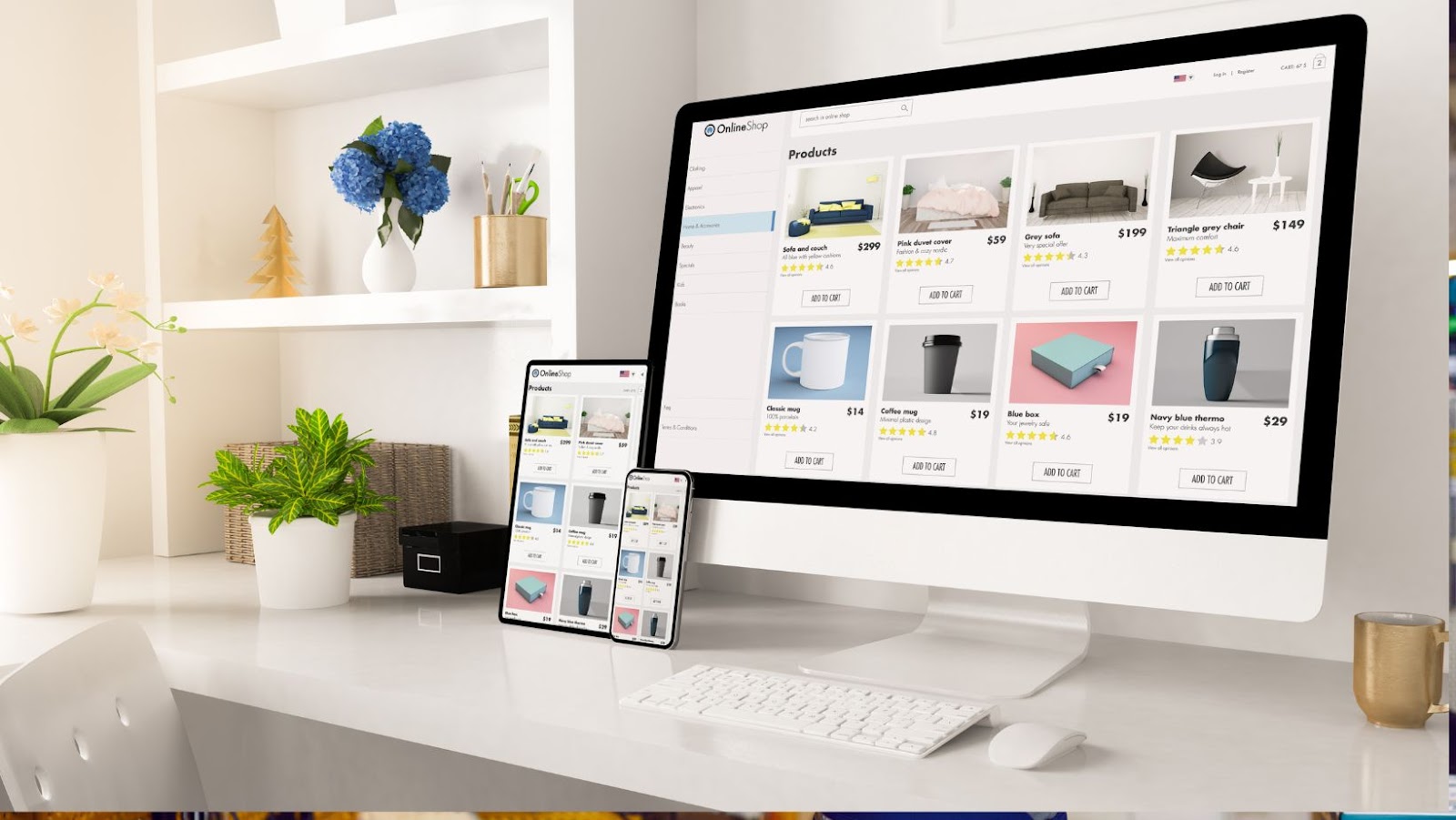
    A smart home gadgets website’s user interface should be intuitive. Quick navigation helps users find products effortlessly. Filters and search options streamline the buying process. Mobile compatibility ensures accessibility on all devices.

    Product Range

    A diverse product range includes various categories like smart lighting, security systems, and voice assistants. Reputable brands like Philips Hue, Nest, and Amazon Echo add reliability. Regular updates feature the latest innovations.

    Customer Evaluations

    Customer overviews provide insights on real-world performance. Authentic feedback covers both pros and cons. Verified overviews build trust. Rating systems highlight top-performing products.

    Return Policy

    A clear return policy ensures buyer confidence. Look for flexible return windows and hassle-free processes. Transparent terms regarding refunds or exchanges enhance shopper satisfaction.

    These key features distinguish reliable websites and improve the smart home shopping experience.

    Pros And Cons Of Using These Websites

    Smart home gadgets websites offer multiple advantages and some downsides, which are important to consider when navigating these platforms.

    Pros

    1. Comprehensive Information
    Smart home gadgets websites provide detailed information on various devices. Users can find product specifications, user guides, and expert overviews, which aid in making informed decisions.

    2. Curated Lists
    Curated lists help users discover top-rated gadgets easily. These lists categorize products based on features, usability, and price, streamlining the decision-making process.

    3. User Overviews
    Websites include user overviews that offer real-world insights. Prospective buyers can learn about the performance and reliability of gadgets from those who have already used them.

    4. Expert Recommendations
    Expert advice is available to guide users. Recommendations from industry professionals help identify the best gadgets suited to specific needs and preferences.

    5. Comparing Options
    Many websites offer comparison tools. Users can compare different gadgets side-by-side regarding features, prices, and user ratings to find the best fit.

    Cons

    1. Overwhelming Choices
    The vast range of available products can be overwhelming. Users might find it difficult to narrow down options and make a final choice.

    2. Biased Overviews
    Some overviews and recommendations may be biased. Websites might promote specific brands or products due to partnerships, leading to skewed information.

    3. Inconsistent Quality
    The quality of curated lists and recommendations can vary. Not all websites maintain rigorous standards, leading to potentially misleading information.

    4. Outdated Information
    Information can become outdated quickly. Technology evolves rapidly, so product details and overviews might not always reflect the latest updates and trends.

    5. Hidden Costs
    Hidden costs like shipping fees or taxes may not be immediately apparent. Users should check the final costs thoroughly before making a purchase.

    How To Choose The Right Website For Your Needs

    Selecting the appropriate website for smart home gadgets involves careful consideration of various factors to ensure a fulfilling and user-friendly experience.

    Budget Considerations

    Budget plays a critical role in choosing a website. Consumers should look for websites offering diverse price ranges to compare options effectively. Websites that categorize products by price tiers—such as under $50, $50-$100, and above $100—can aid in staying within budget while exploring multiple options. Additionally, promotional discounts and seasonal sales can significantly impact the overall cost, making it worth checking the website for ongoing deals.

    User Preferences

    User preferences shape the shopping journey and must align with the features of the website. For instance, some users may prioritize a website offering extensive user overviews views and feedback, while others might prefer expert recommendations and curated lists. Websites that allow customized search filters for brand, type of gadget, and connectivity options can enhance the user experience. Additionally, a user-friendly interface and responsive customer service can make navigating options much simpler and more enjoyable.

    Final Thought

    Smart home gadgets are revolutionizing how people interact with their living spaces, and specialized websites like Smart Home Today and Tech at Home play a crucial role in this transformation. By offering curated lists, expert advice, and user overviews, these platforms simplify the shopping process. However, it’s essential to navigate these resources carefully to avoid pitfalls like biased overviews and hidden costs.